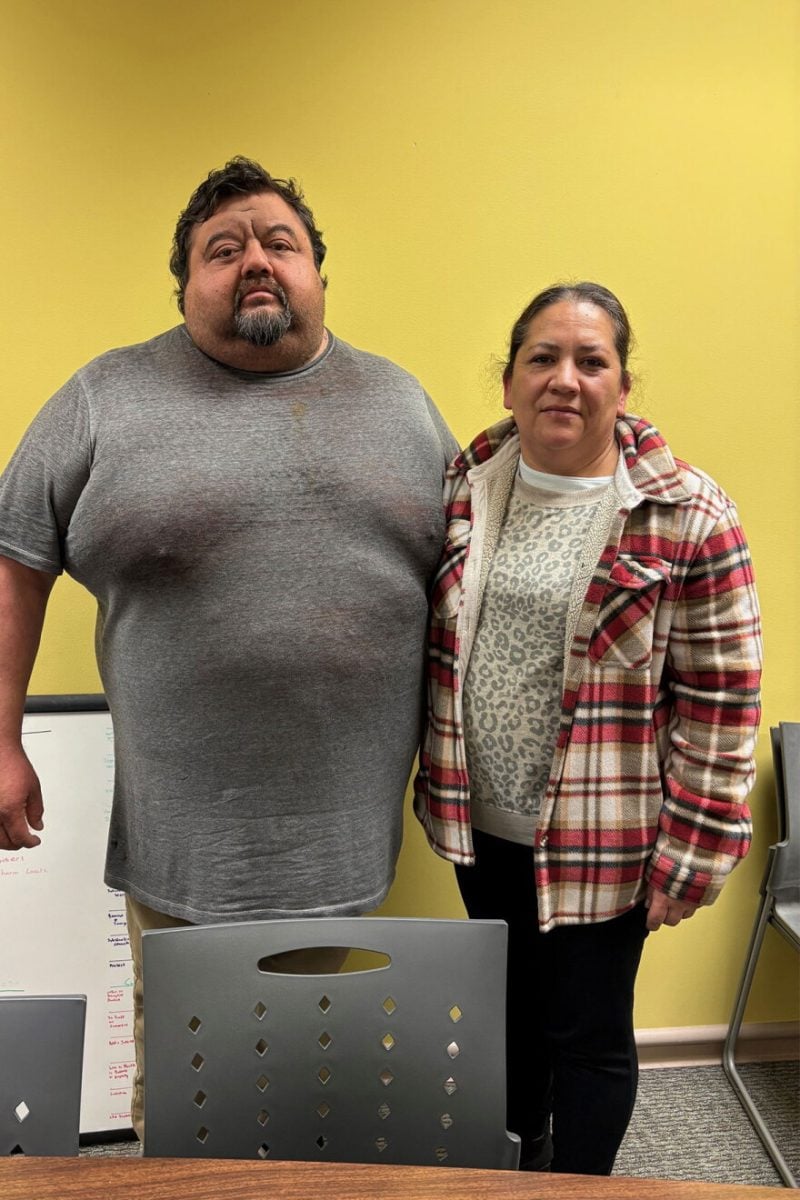
For more than 20 years, Maria de los Angeles Sereno worked the fields of Cornerstone Ranches, a hop and apple operation in Toppenish. Her husband, José, had been there even longer. Two of their sons had followed them into the work straight out of high school. For their family, as for many in the Yakima Valley, Cornerstone had been a source of steady work for decades.
On March 2, 2023, that ended without warning. Maria, her two sons, and several coworkers were called in and told they were fired.
“We asked them why,” Maria recalls. “They said it was because there was no more work for us. It made no sense.”
The explanations kept changing. First it was about speed, though Maria had met every standard the company set. Then it was a layoff, until the company admitted it was permanent. The real reason arrived the next day, when H-2A temporary workers, brought in through a federal visa program, showed up to take their places.
“I have been working there for twenty years,” Maria says, “and the company turned its back on us in the blink of an eye.”
The cost to a family
The firing hit Maria’s family hard. They fell behind on bills, and their dream of owning a home was put on hold. To make ends meet, Maria took a night-shift job, which meant less time with her daughter, who has disabilities and relies on her care.
Her coworkers also felt the loss. Many were second-generation Cornerstone workers, young people who had followed their parents into the orchards and hoped to move into skilled work like driving a tractor. Instead they were let go with no notice.
Fighting back
Maria and several other fired workers reached out to NJP. With NJP and co-counsel Sunlight Law, PLLC, they filed suit in Yakima County Superior Court. charging they had been wrongly terminated and denied jobs and equal terms of employment in favor of H-2A workers.
“It was to seek justice,” Maria says, “because our firing was unfair, unjust.”
Speaking up came with risks. Shortly after the lawsuit was filed, the company began targeting José. He had spent 15 years pruning, picking, and weeding before becoming a supervisor, and now he was removed from that position. “Then my hours were cut in half, while the number of hours offered to the contract workers doubled,” he says. When he, too, was fired without explanation, José joined the lawsuit.
Employers who use the H-2A program are legally required to certify that not enough U.S. workers are available, and they must offer local workers the same wages, benefits, and conditions they give H-2A workers. Maria and her coworkers were never offered that contract.
Accountability, and protections for others
The workers ultimately secured a settlement of $22,000 each. NJP and Sunlight Law also brought the case to the Washington State Attorney General’s Office, which opened a broader investigation and identified more than 50 affected farmworkers. The resulting consent decree provides more than $1 million in relief.
It also requires lasting change. Cornerstone must recruit former local employees before hiring H-2A workers. It must give local workers equal pay, hours, and conditions, and adopt anti-discrimination policies with regular training. The Attorney General’s Office will monitor compliance for at least three years.
This is the fourth major H-2A enforcement action in Washington in recent years, part of a troubling pattern of experienced local workers being pushed aside.
For Maria, the outcome reaches beyond her own family. “With this decree, other workers can see that if they’re being treated unfairly, there is help available. They don’t have to tolerate mistreatment.”
The relief is real, she says, but so is the memory. “Now, thank God, we’re done. You do feel better, but you’ll never forget.”